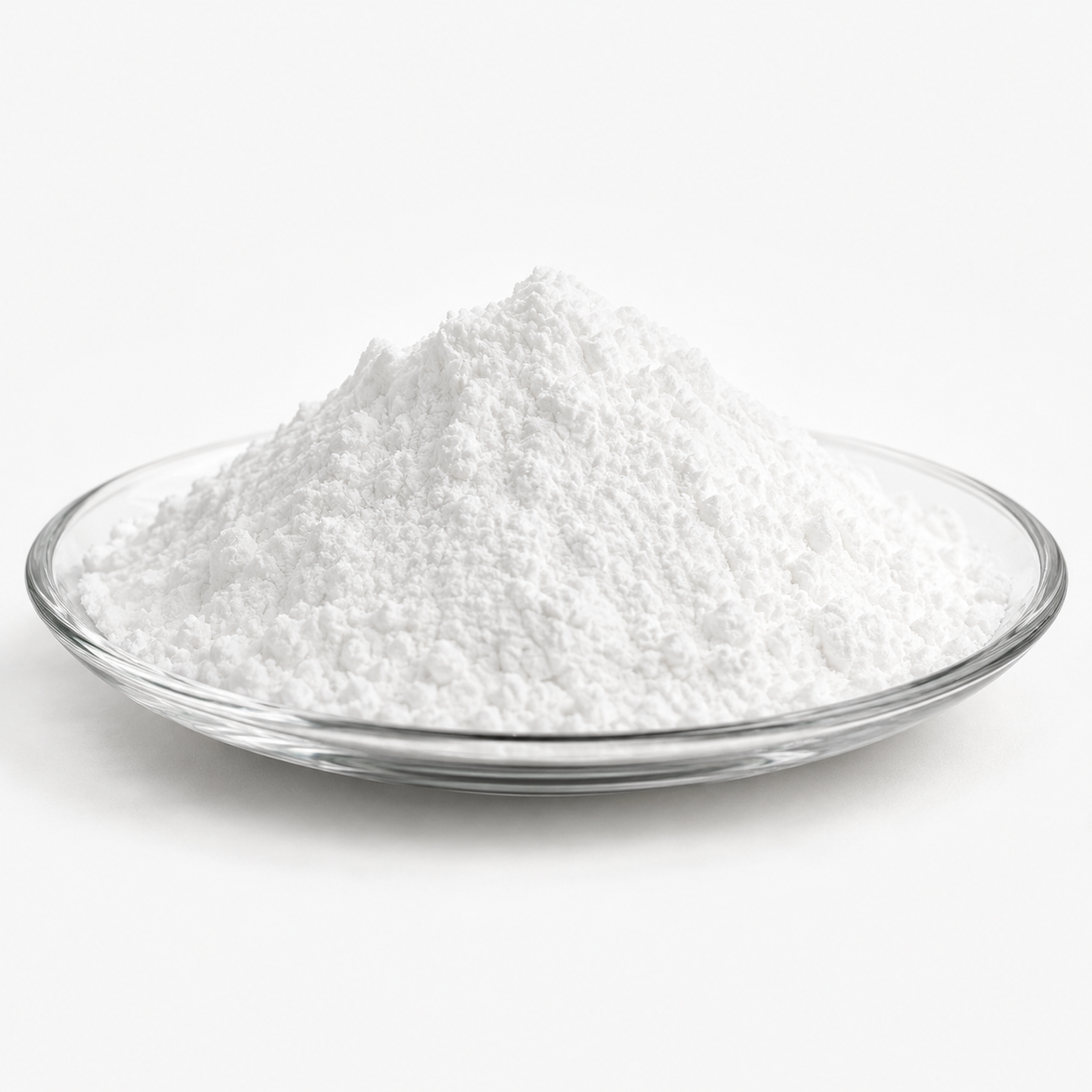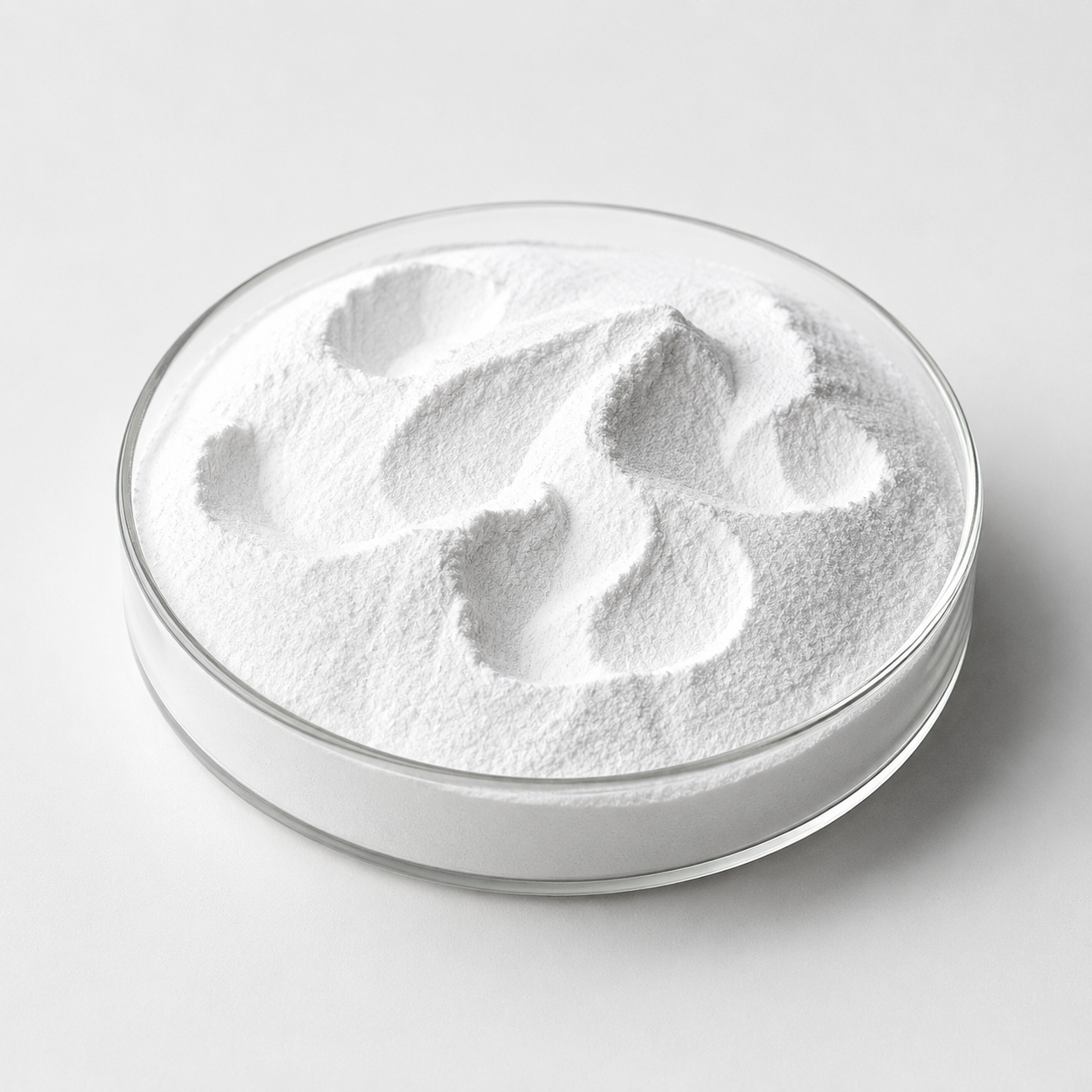
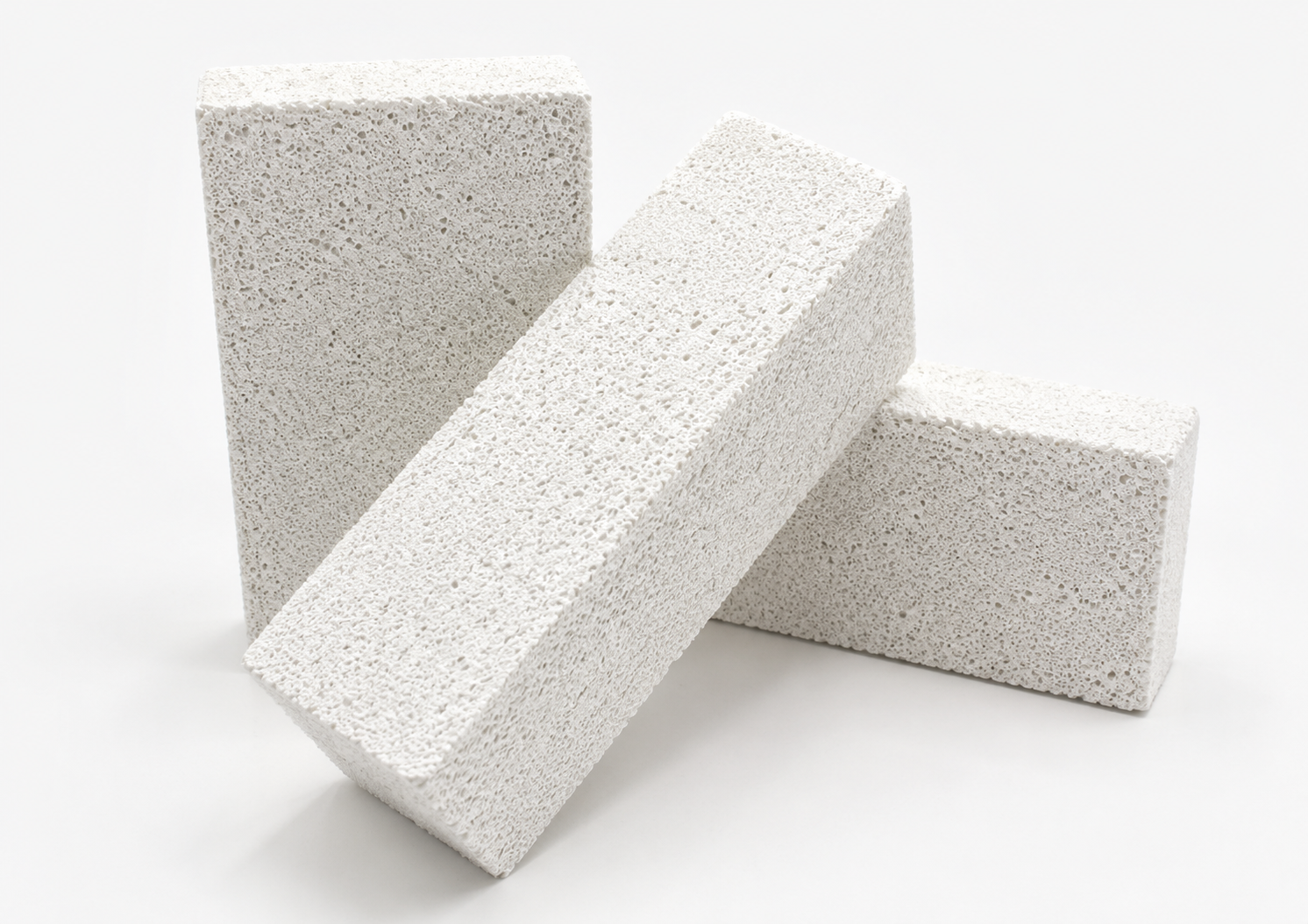
Material reference

Mullite 3Al₂O₃·2SiO₂

Aluminosilicate ceramic stable to 1700 °C with low thermal expansion. A versatile workhorse for high-temperature service where thermal shock matters.

Used for: furnace tubes · thermocouple sheaths · insulators · kiln furniture · crucibles · heater components

At a glance

Six critical properties

Max temp 1700 °C
Density 2.8–3.2 g/cm³
Thermal cond. 4–6 W/m·K
Expansion 5.0 ×10⁻⁶/K
Strength Good MOR ~150 MPa
Thermal shock Very good Cycle-tolerant
About this material

Everything you need to specify this material

Alumina–silica fired into one phase

Mullite (3Al₂O₃·2SiO₂) is formed by reaction of alumina with silica during sintering. It exists as a family of materials — dense (impervious) mullite, porous mullite (also called sillimanite at certain compositions) and porous corundum at higher alumina contents.
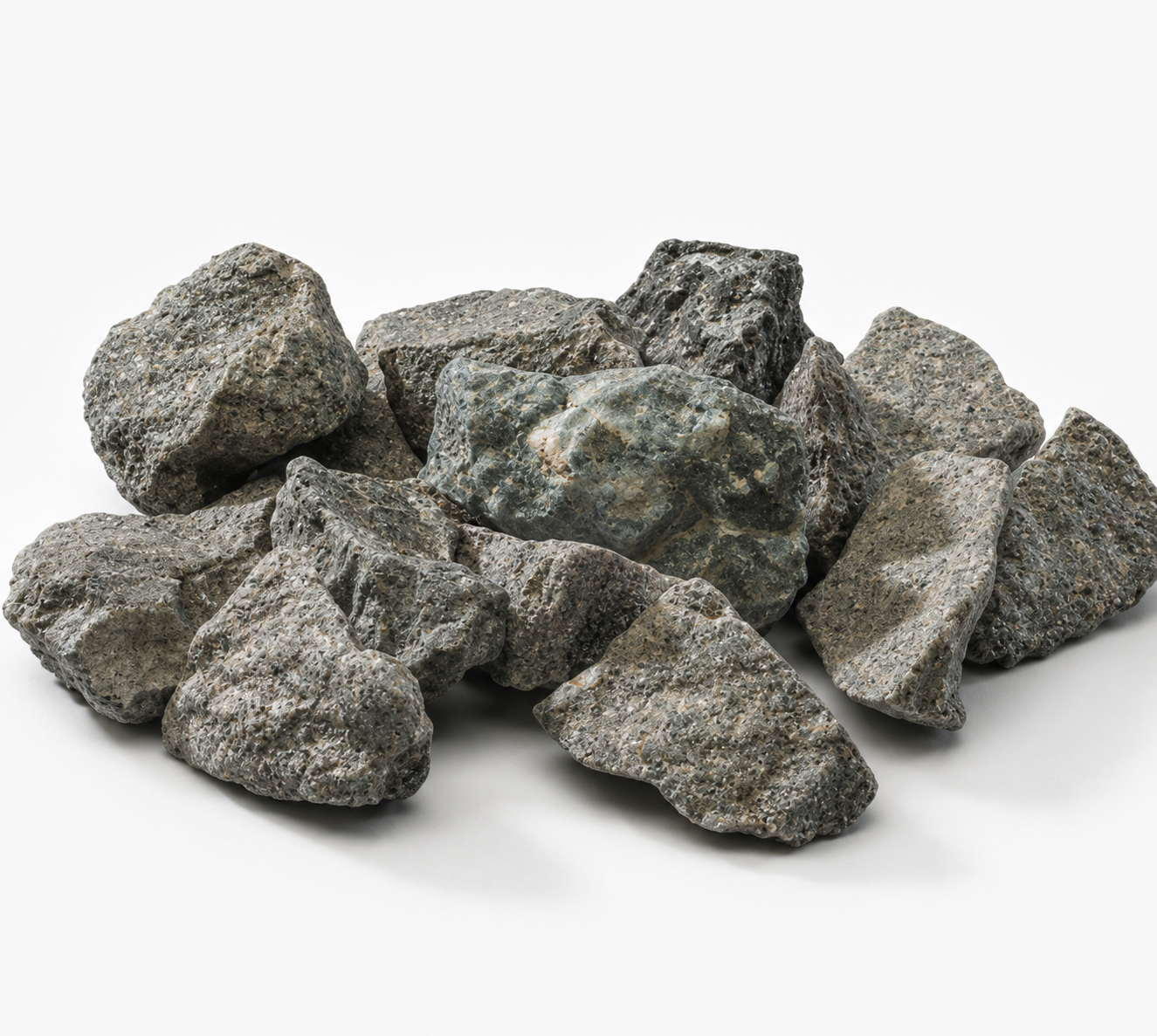
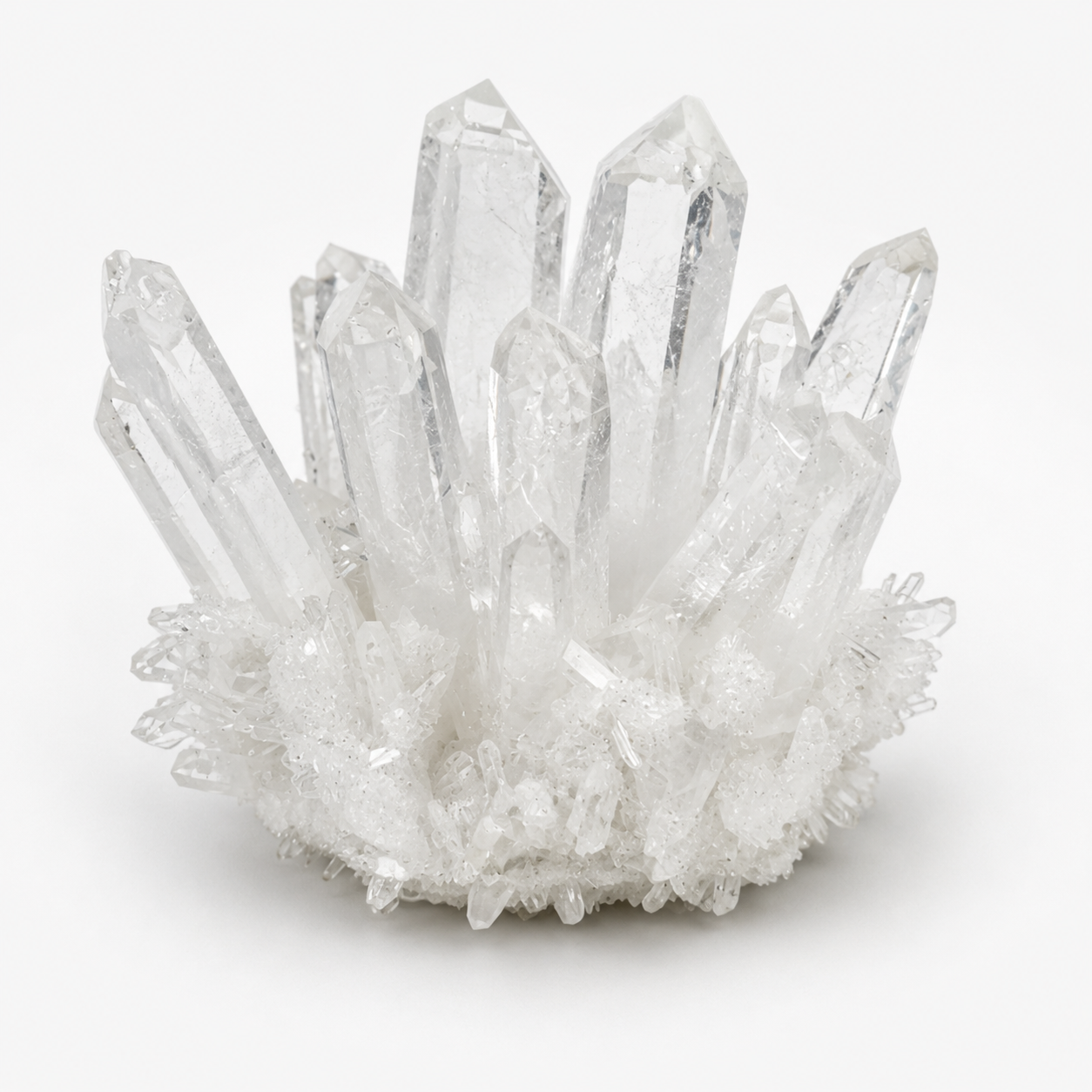
Grades comparison

Pick the right grade

Grade Purity Max temp Density Hardness Typical use Find products
EM60 60% Al₂O₃ min 1600 °C 2.9 Impervious dense mullite — tubes, sheaths, structural → Find products
EM60P 60% Al₂O₃ 1500 °C 2.4 Porous mullite (sillimanite) — kiln furniture, thermal-shock duty → Find products
EM80P 80% Al₂O₃ 1700 °C 2.6 Porous corundum — higher temperature, heavy-cycle service → Find products

Click any column header to sort. Each grade links to its filtered product list.

FAQs

Frequent technical questions

Why specify mullite instead of alumina?

Mullite costs less than dense alumina and tolerates thermal shock significantly better. Where the operating temperature is below 1700 °C and chemistry is benign, mullite is usually the right specification.

Is mullite the same as sillimanite?

Sillimanite is an Al₂SiO₅ mineral that converts to mullite plus silica on firing. In commercial language, porous Al₂O₃–SiO₂ bodies near 60% alumina are sold under both names; chemically and mechanically they are very similar.

Can mullite hold molten glass or metal?

Dense mullite is widely used for glass-tank components and crucibles handling oxidising melts. For aggressive non-oxide melts or alkali glasses, check chemistry with us before specifying.

Need help choosing a grade? Talk to our materials team.

Tell us your operating temperature, the chemistry it'll see and any mechanical loads. We'll specify a grade — or recommend an alternative material — and link you directly to matching products.