Material reference

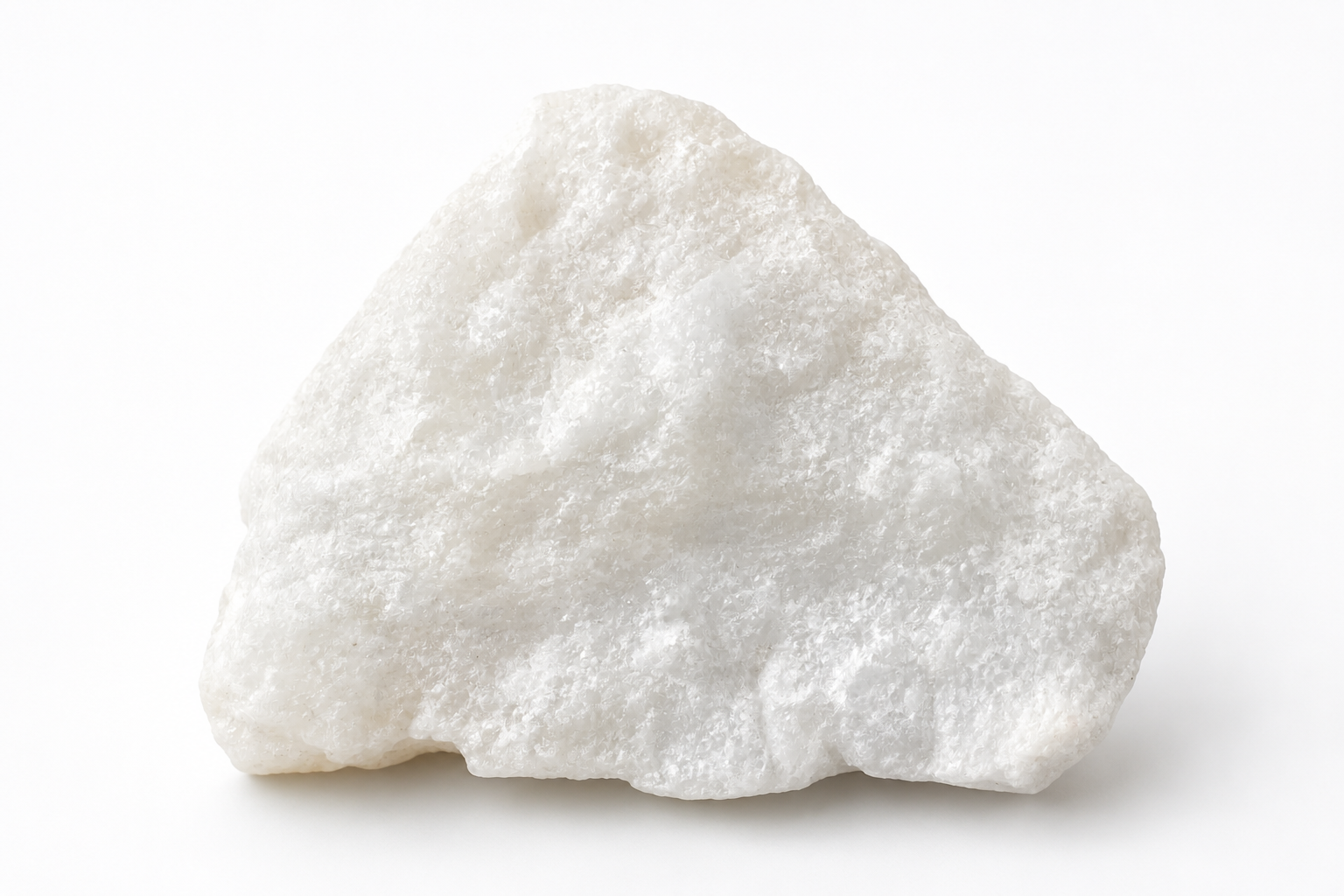
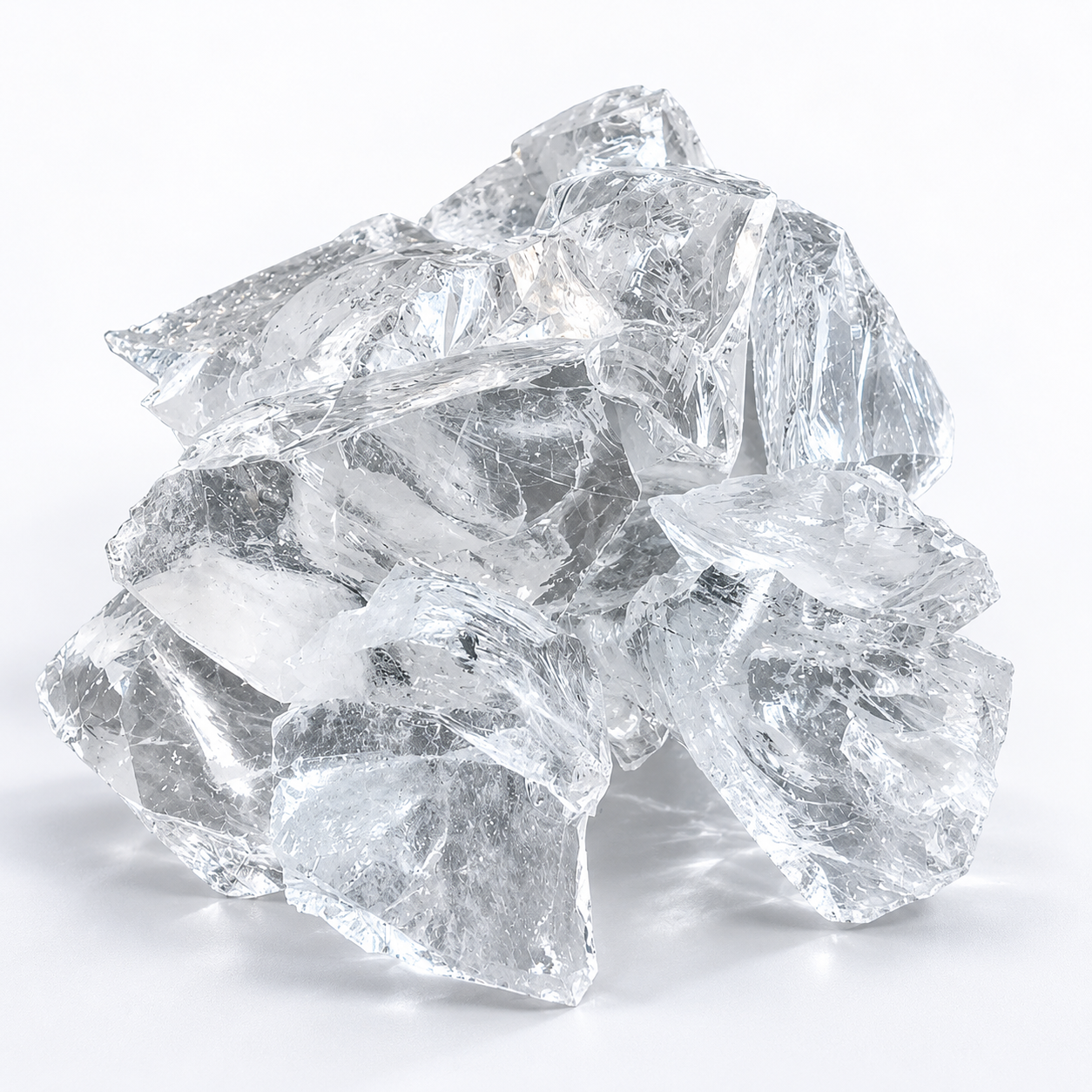
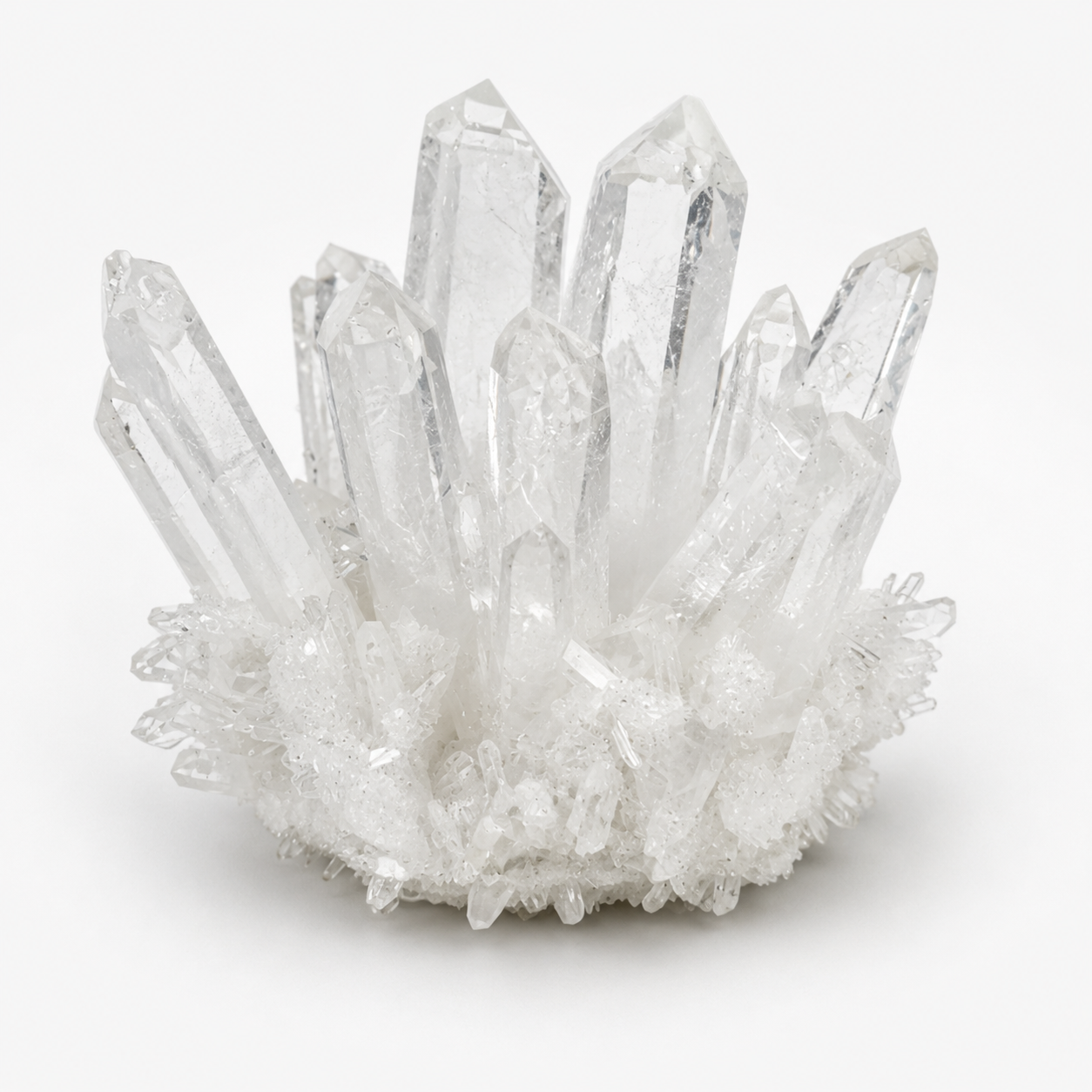
Fused Silica SiO₂

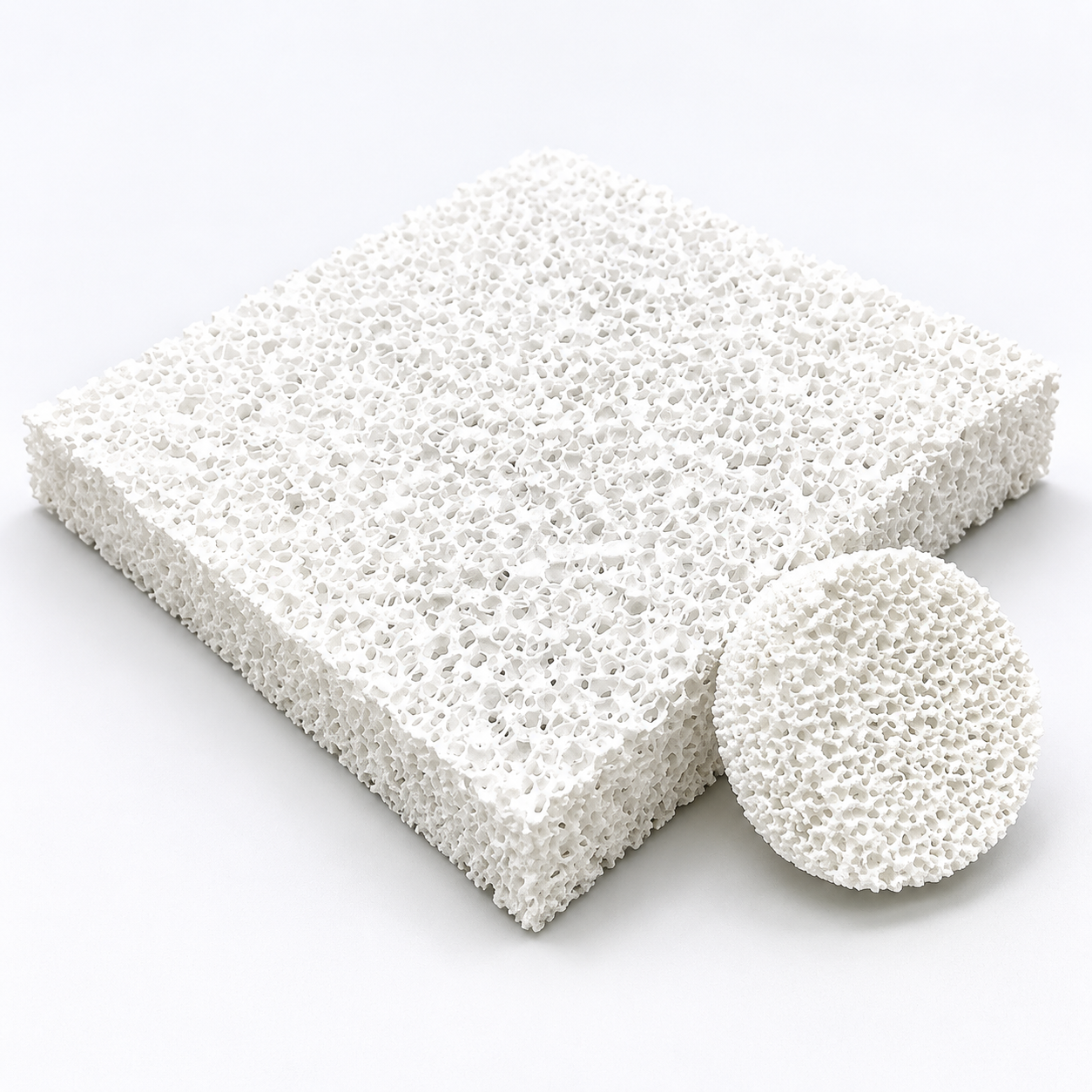
Near-zero thermal expansion and outstanding thermal-shock resistance. Porous electrofused silica handles repeated thermal cycling and direct molten-metal contact without preheating.

Used for: non-ferrous casting · flow-control tubes · float-glass components · steel strip rolling · thermal insulation

At a glance

Six critical properties

Max temp 1680 °C
Density 1.9–2.1 g/cm³
Expansion 0.5 ×10⁻⁶/K
Thermal shock Outstanding rapid cycling
Purity High low contamination
Preheating Not required direct melt contact
About this material

Everything you need to specify this material

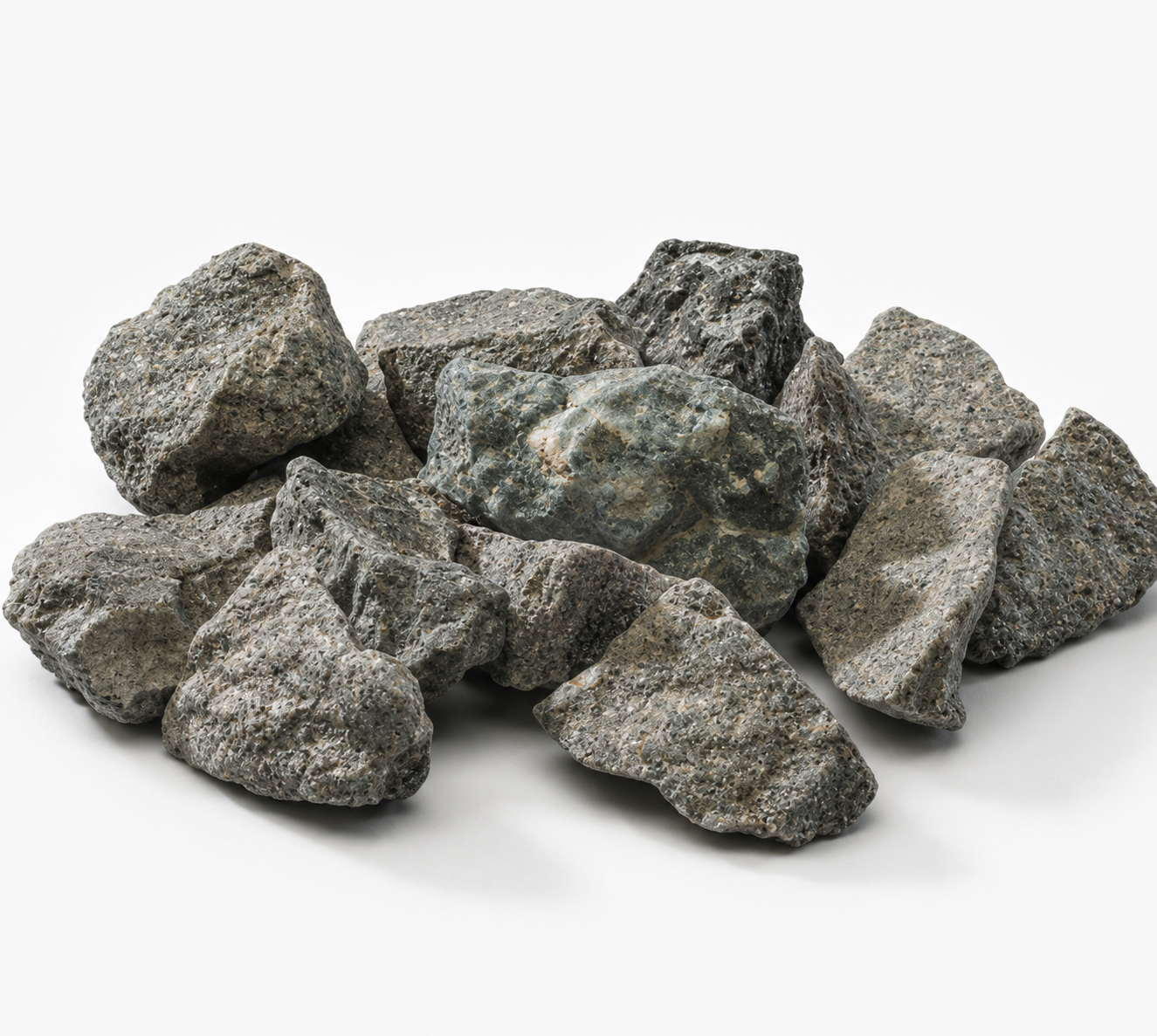
Porous electrofused silica — ES99P

Anderman’s porous electrofused silica ES99P combines a maximum operating temperature of 1680 °C with excellent thermal-shock resistance for rapid heat/cool cycling. The combination is extremely beneficial in thermal applications beyond 1200 °C where contact with molten metal or glass produces severe thermal shock.
Grades comparison

Pick the right grade

Grade Purity Max temp Density Hardness Typical use Find products
ES99P 99% SiO₂ 1680 °C 2.0 Porous electrofused silica — non-ferrous casting, float glass, steel rolling → Find products

Click any column header to sort. Each grade links to its filtered product list.

Industries

Where this material is at work

FAQs

Frequent technical questions

Why doesn't fused silica need preheating?

The expansion coefficient is so low (~0.5 × 10⁻⁶/K) that a temperature step of 1000 °C produces almost no thermal strain — so direct contact with molten metal causes no cracking. That removes the preheat step from the process and shortens cycle time.

Where does fused silica beat alumina?

Anywhere thermal shock dominates over absolute strength or wear — particularly direct molten-metal contact, float-glass internals and steel strip-handling. For sustained mechanical load at temperature, dense alumina remains stronger.

What's the contamination risk in the melt?

Minimal. High-purity fused silica introduces almost no metallic contamination and the porous body further reduces inclusions reaching the casting, improving final-product quality.

Need help choosing a grade? Talk to our materials team.

Tell us your operating temperature, the chemistry it'll see and any mechanical loads. We'll specify a grade — or recommend an alternative material — and link you directly to matching products.