Material reference

Alumina (porous) Al₂O₃

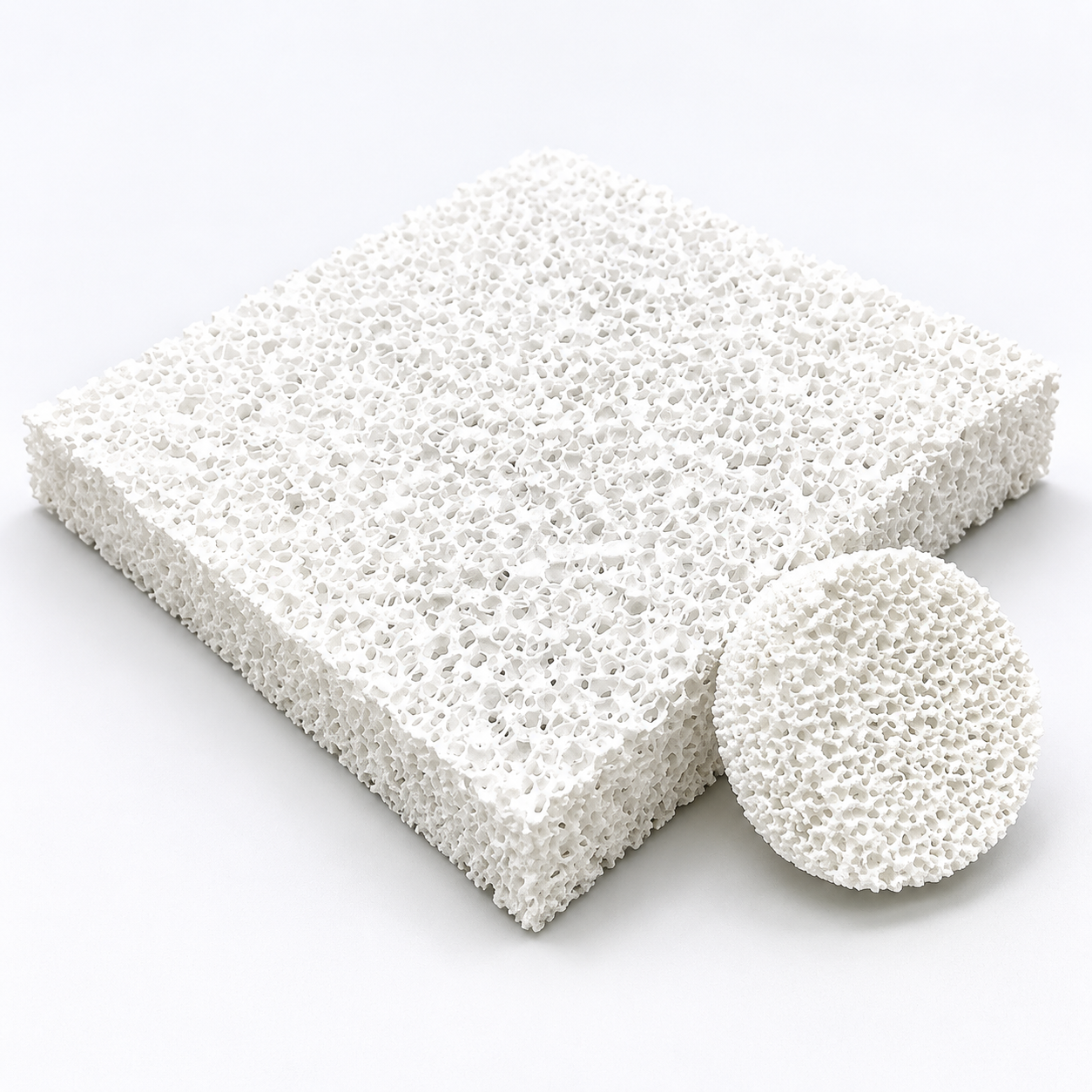
Controlled-porosity aluminium oxide — engineered open or closed porosity for filtration, support media, gas diffusion and high-thermal-shock service.

Used for: molten-metal filters · catalyst supports · diffusers · refractory linings · insulation · thermal-shock kiln furniture

At a glance

Six critical properties

Max temp 1700 °C
Density 2.2–3.0 g/cm³
Open porosity 20–45 %
Thermal cond. 5–12 W/m·K
Thermal shock Excellent rapid cycling
Chem. resistance High Acids · alkali
About this material

Everything you need to specify this material

Engineered porosity, oxide ceramic backbone

Porous alumina retains the chemical and thermal benefits of dense Al₂O₃ while introducing controlled open or closed porosity, typically 20–45%. The reduced cross-section lowers stiffness and dramatically improves thermal-shock tolerance — at the cost of strength and gas-tightness.
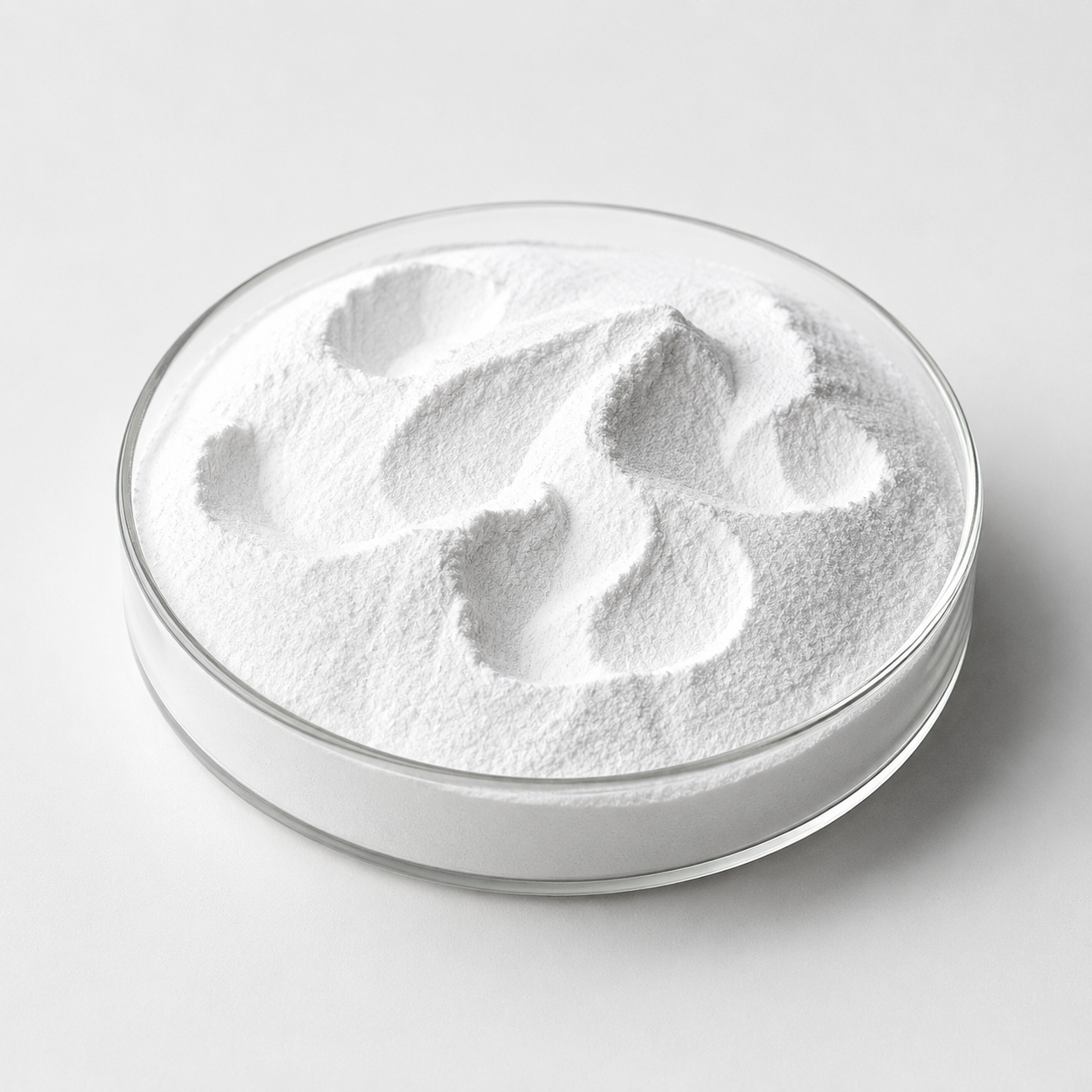
Grades comparison

Pick the right grade

Grade Purity Max temp Density Hardness Typical use Find products
EA99P 99% Al₂O₃ 1700 °C 2.8 High-purity porous body for filters, supports and thermal-shock service → Find products

Click any column header to sort. Each grade links to its filtered product list.

Industries

Where this material is at work

FAQs

Frequent technical questions

When should I choose porous over dense alumina?

Porous grades excel where thermal shock dominates, or where the part must filter, diffuse or support — anywhere openness is a feature, not a flaw. For sealing, structural load or pressure containment, stay with dense alumina.

How is porosity specified?

Open porosity (volume %), mean pore size and pore-size distribution. Tell us the operating temperature, the fluid or melt being handled and the pressure drop or filtration grade target — we’ll specify accordingly.

Will porous alumina pass molten metal?

Yes — porous alumina filter foams and bonded particle media are widely used for aluminium, copper and ferrous melts, removing oxide inclusions and stabilising flow into the casting cavity.

Need help choosing a grade? Talk to our materials team.

Tell us your operating temperature, the chemistry it'll see and any mechanical loads. We'll specify a grade — or recommend an alternative material — and link you directly to matching products.