Industry · Aerospace

Aerospace

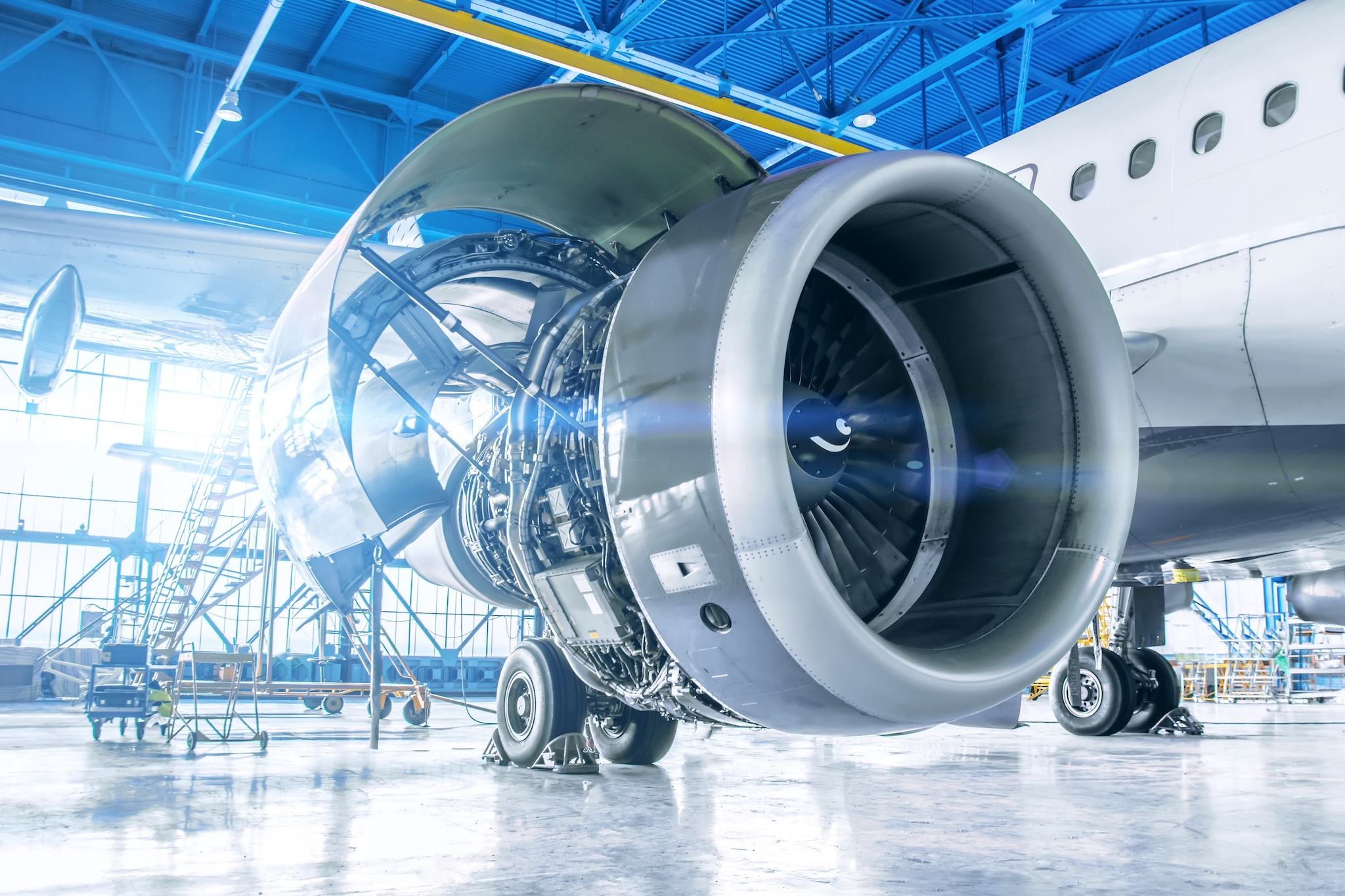
From engine test cells and turbine R&D to thermal-protection sensor housings, aerospace specifies ceramics where metals fatigue, contaminate or burn. Anderman supplies the dense, high-purity oxide and non-oxide grades that survive engine-cell temperatures, gas-stream chemistry and rapid thermal cycling — with the traceability aerospace QA demands.

Why Anderman

Three things specifiers come back for

Aerospace-grade traceability

Batch certification, controlled grades and ISO 9001:2015 documentation across both UK and US operations. Standard practice for the supply chains aerospace primes need.

Tight tolerance, repeatable

Sub-millimetre dimensional control on tubes, sheaths and small machined parts, supported by diamond grinding and tight pressing routes. Repeatable across production lots, not just first articles.

UK & France supply

Stock and partner manufacturing in the UK and France, serving European primes and tier-1s without the lead-time and ITAR friction of US-sole supply.

Challenges & solutions

Thermal demands of this industry

Surviving the hot-section gas stream

Engine test cells run sustained temperatures above 1500 °C with corrosive combustion products. Dense high-purity alumina (EA999/EA998) and mullite are specified for thermocouple protection sheaths, gas-sampling probes and refractory tubes — chosen for creep resistance and stability in oxidising atmospheres. Where vibration is severe, mullite’s lower modulus tolerates the dynamic load better than dense alumina.
FAQs

Frequent technical questions

Frequent technical questions

Can you supply to AS9100 / NADCAP-controlled supply chains?

What ceramic grade is typical for hot-gas thermocouple sheaths?

Can you handle ITAR-controlled aerospace projects?

Discussing a specific application?

Send us your engine test cell, turbine R&D or sensor housing requirements — temperature, gas chemistry, dimensional tolerances and certification needs. We'll specify a grade and route the supply through the right channel.