Material reference

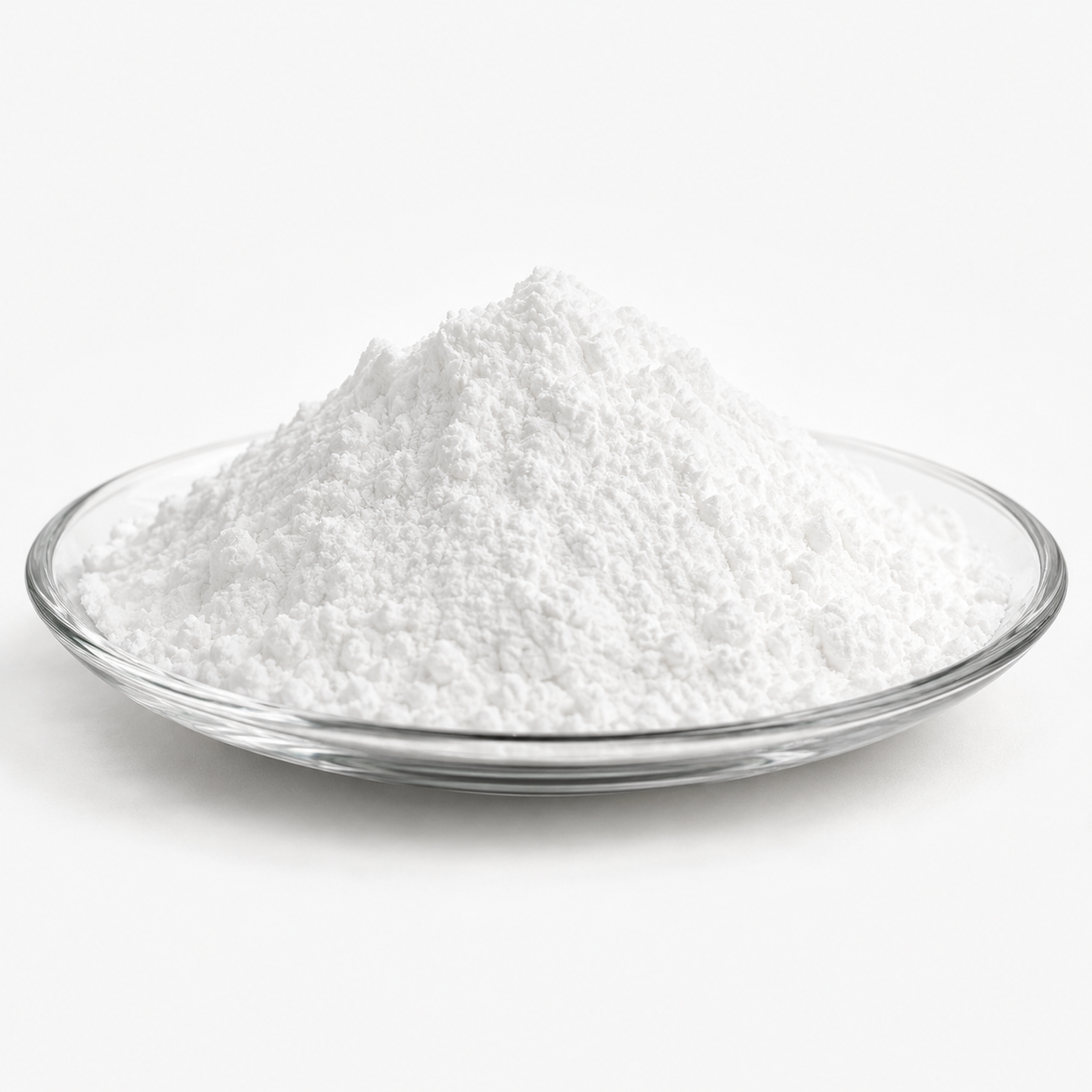
Aluminium Nitride AlN

High thermal conductivity electrical insulator. AlN approaches metal-level heat transfer while remaining dielectric — the specifier's choice for power-electronics substrates.

Used for: power-electronics substrates · heat spreaders · IGBT modules · LED carriers · semiconductor handling · molten-metal nozzles

At a glance

Six critical properties

Max temp 1400 °C inert
Density 3.3 g/cm³
Thermal cond. 170–220 W/m·K
Dielectric 14 kV/mm
CTE 4.5 ×10⁻⁶/K
Toxicity None BeO replacement
About this material

Everything you need to specify this material

Aluminium nitride — the high-conductivity insulator

Aluminium nitride is a hexagonal covalent ceramic with an unusual combination of properties — high thermal conductivity (typically 170–220 W/m·K, an order of magnitude above alumina), high electrical resistivity and a coefficient of thermal expansion matched closely to silicon. It is the standard ceramic substrate for high-power electronics.
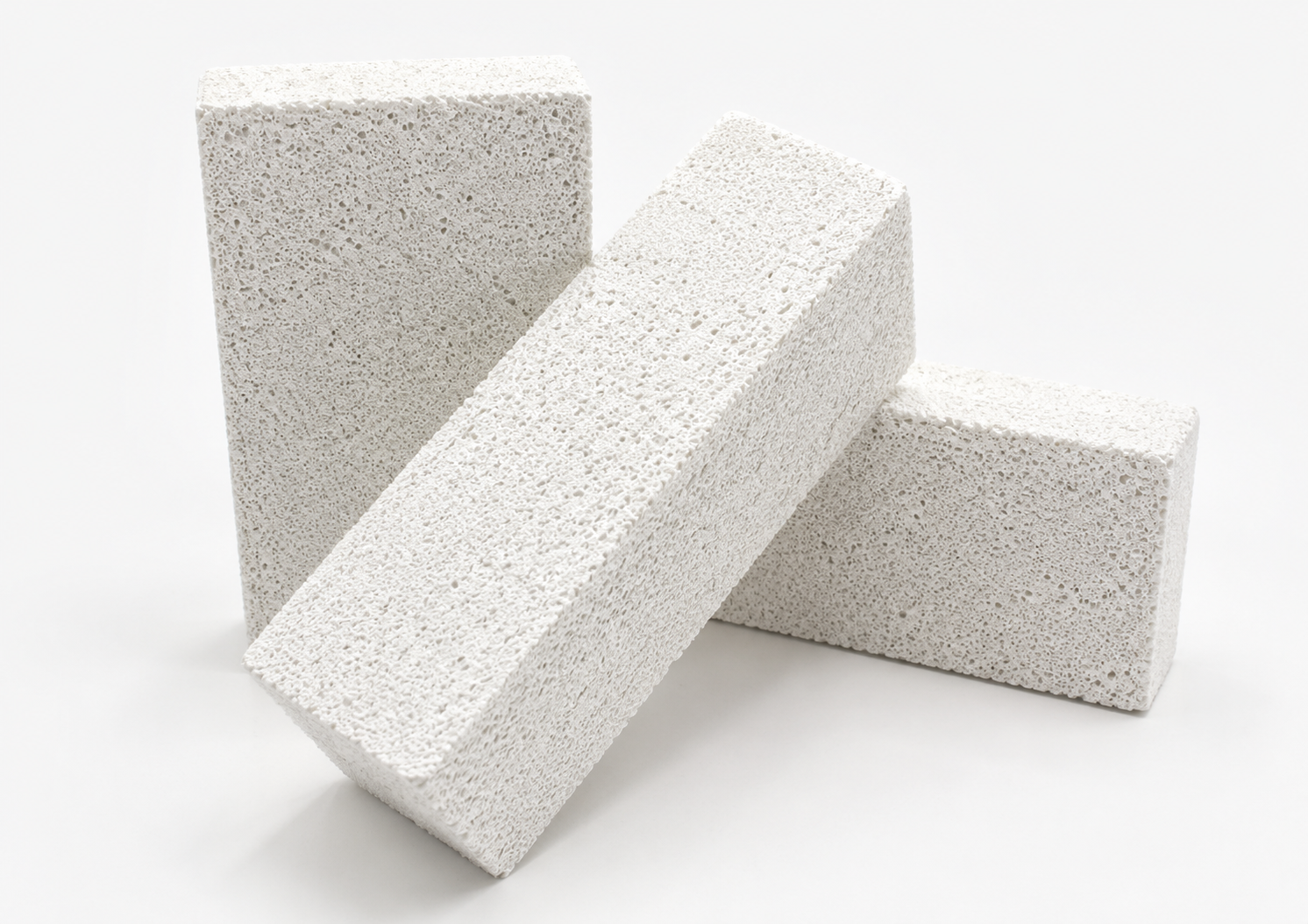
Grades comparison

Pick the right grade

Grade Purity Max temp Density Hardness Typical use Find products
AlN — standard ~98% 1400 °C inert 3.3 1200 HV General-purpose substrate, ~170 W/m·K → Find products
AlN — high TC ~99% (low O₂) 1400 °C inert 3.3 1200 HV Premium thermal-management substrate, ~220 W/m·K → Find products

Click any column header to sort. Each grade links to its filtered product list.

FAQs

Frequent technical questions

How does AlN compare to alumina for substrates?

AlN’s thermal conductivity is roughly 8–10× higher than 96% alumina, but its dielectric strength and CTE are also in the right band for power-semiconductor substrates. Where heat dissipation governs, AlN is the right call; for less thermally loaded parts, alumina remains cheaper.

Is AlN affected by moisture?

AlN slowly hydrolyses in humid conditions, forming a thin surface aluminium-hydroxide layer that releases trace ammonia. For most packaged electronic applications this is negligible; sealed devices are unaffected.

Can AlN run in oxidising atmospheres?

AlN forms a protective alumina layer in air to ~700 °C. For higher-temperature oxidising service, specify with us — service ceilings depend on grade, geometry and atmosphere.

Need help choosing a grade? Talk to our materials team.

Tell us your operating temperature, the chemistry it'll see and any mechanical loads. We'll specify a grade — or recommend an alternative material — and link you directly to matching products.