Material reference

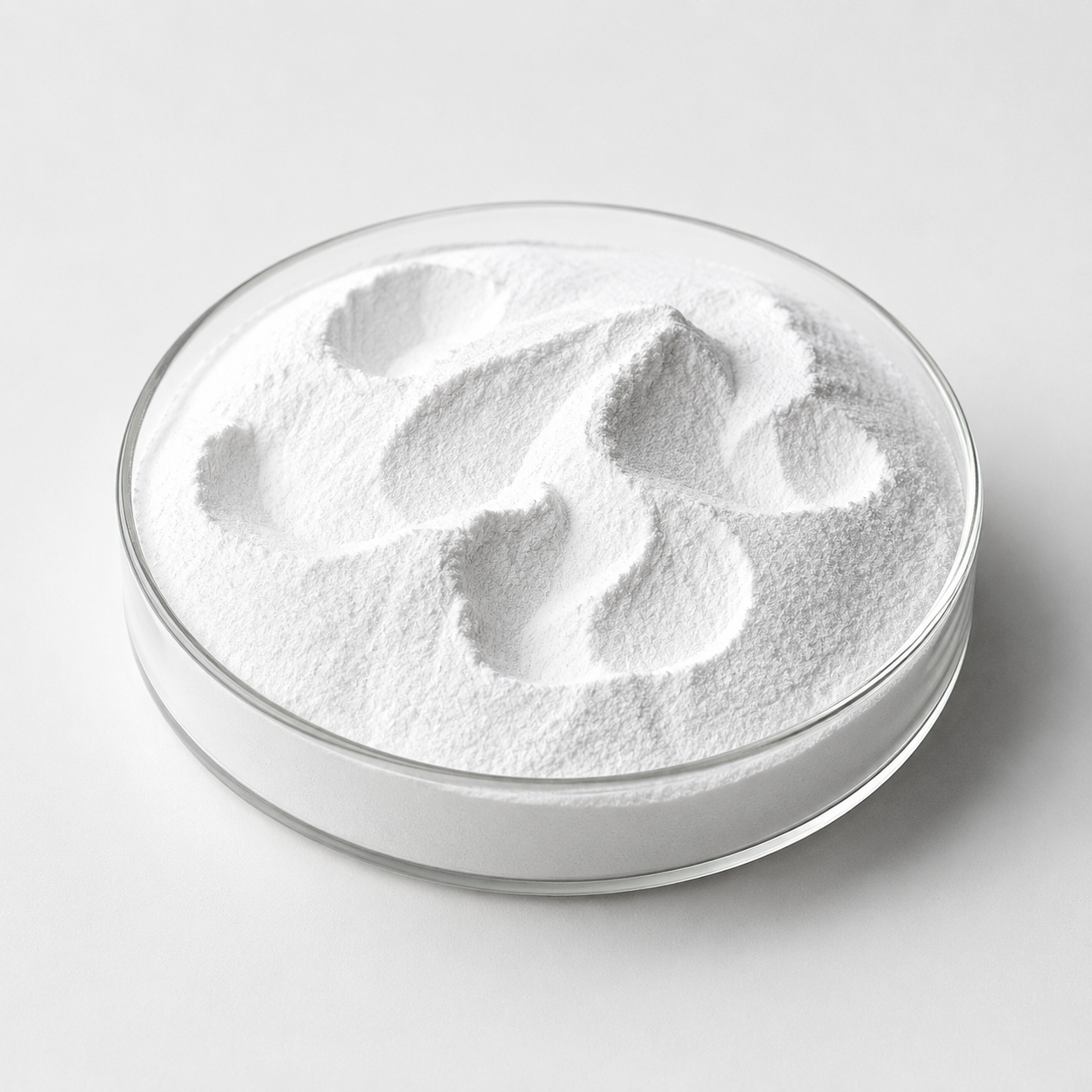
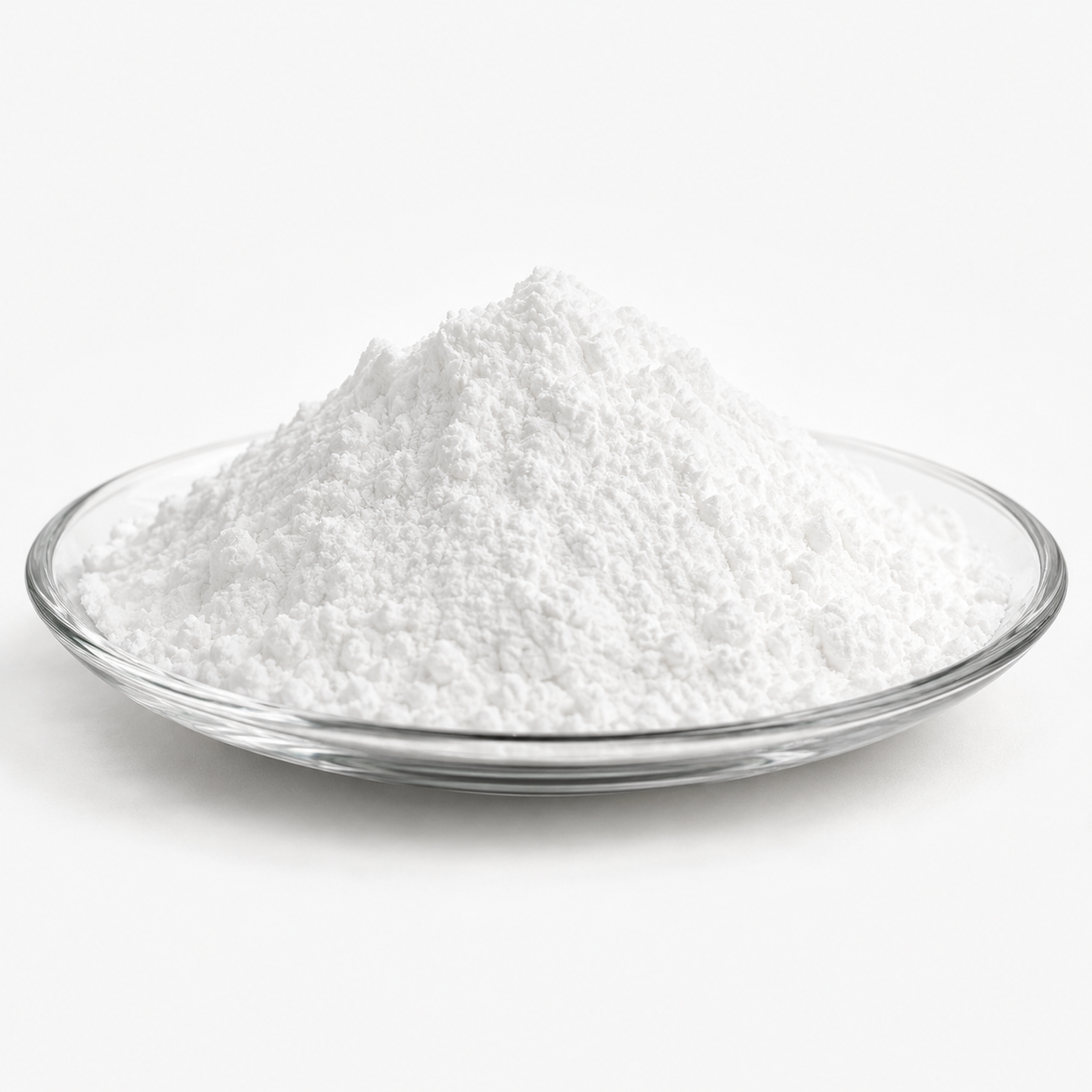
Zirconia ZrO₂

High strength and toughness — the severe-duty mechanical ceramic. Stabilised forms operate to 2400 °C and resist aggressive metal and slag chemistries.

Used for: atomising nozzles · pump and valve components · cutting tools · oxygen sensors · crucibles · wear parts

At a glance

Six critical properties

Max temp 2400 °C
Density 5.7–6.1 g/cm³
Fracture toughness 8–10 MPa·m½ (Y-PSZ)
Thermal cond. 2–3 W/m·K
Strength Very high MOR ~900 MPa
Chem. resistance High Acids · slags
About this material

Everything you need to specify this material

Zirconia — the toughened ceramic

Anderman offers a range of zirconia materials, dense or with porosity. These materials combine very high temperature capability (up to 2400 °C in stabilised dense forms) with outstanding performance in high-wear and corrosive environments. Products are available as tubes, rods, crucibles, atomising nozzles and a wide range of custom shapes.
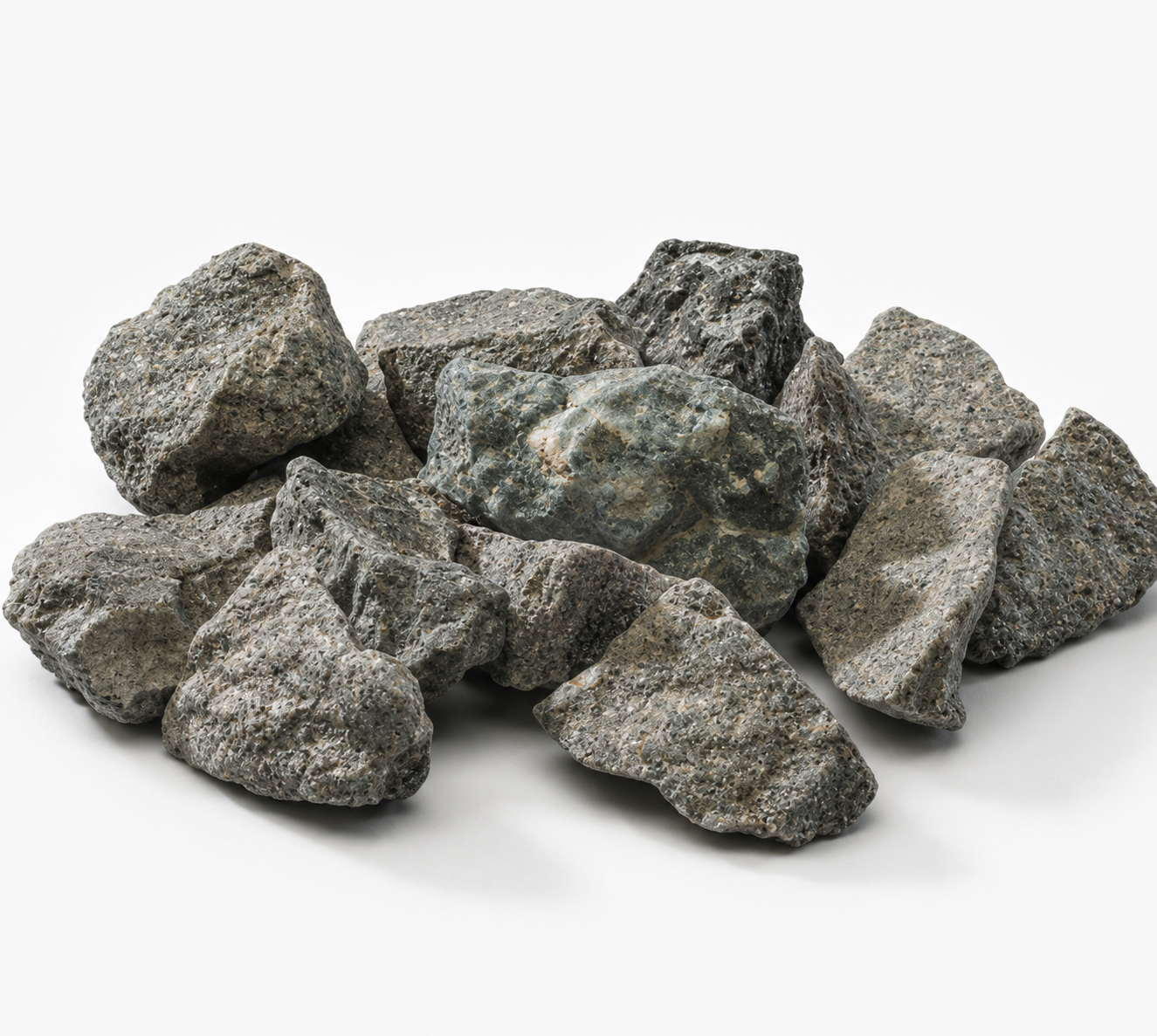
Grades comparison

Pick the right grade

Grade Purity Max temp Density Hardness Typical use Find products
EZY94 Y-PSZ 1500 °C 6.0 1250 HV Highest toughness — wear parts, nozzles, structural → Find products
EZY88 Y-FSZ 2400 °C 5.9 1200 HV Fully stabilised — sensors, very-high-temp service → Find products
EZM96 Mg-PSZ 1700 °C 5.7 1100 HV Magnesia-stabilised — cost-balanced toughness → Find products
EZC96P Ca-FSZ porous 1800 °C 4.8 Calcia-stabilised porous — thermal-shock & filtration → Find products
EZZ66P Zircon (ZrSiO₄) 1500 °C 3.7 Zircon — refractory linings, glass contact → Find products

Click any column header to sort. Each grade links to its filtered product list.

FAQs

Frequent technical questions

Why is zirconia so tough?

Partially-stabilised zirconia contains metastable tetragonal grains that transform to monoclinic under crack-tip stress, expanding slightly and closing the crack — a mechanism called transformation toughening, unique to this ceramic family.

When should I choose Y-PSZ over Mg-PSZ?

Y-PSZ delivers higher toughness, finer microstructure and better surface finish — preferred for nozzles, cutting tools and structural parts. Mg-PSZ is cheaper and runs hotter, used for less demanding wear or larger geometries.

Can zirconia replace metal in chemical pumps?

Yes — in pumps and valves handling acids, alkalis or abrasive slurries, zirconia outlasts metals and alumina by significant factors. Check chemistry against hot caustics and HF before specifying.

Need help choosing a grade? Talk to our materials team.

Tell us your operating temperature, the chemistry it'll see and any mechanical loads. We'll specify a grade — or recommend an alternative material — and link you directly to matching products.