Material reference

Steatite MgO·SiO₂

Cost-effective magnesium silicate insulator. Excellent dielectric strength and dimensional stability to 1000 °C — the volume-production choice for electrical insulation.

Used for: bushings · igniters · lamp bases · resistors · band heaters · thermocouple cores · connectors · substrates · spacers

At a glance

Six critical properties

Max temp 1000 °C
Density 2.7–2.9 g/cm³
Dielectric strength 20 kV/mm
Expansion 8–9 ×10⁻⁶/K
Strength Good MOR ~140 MPa
Cost position Low vs alumina
About this material

Everything you need to specify this material

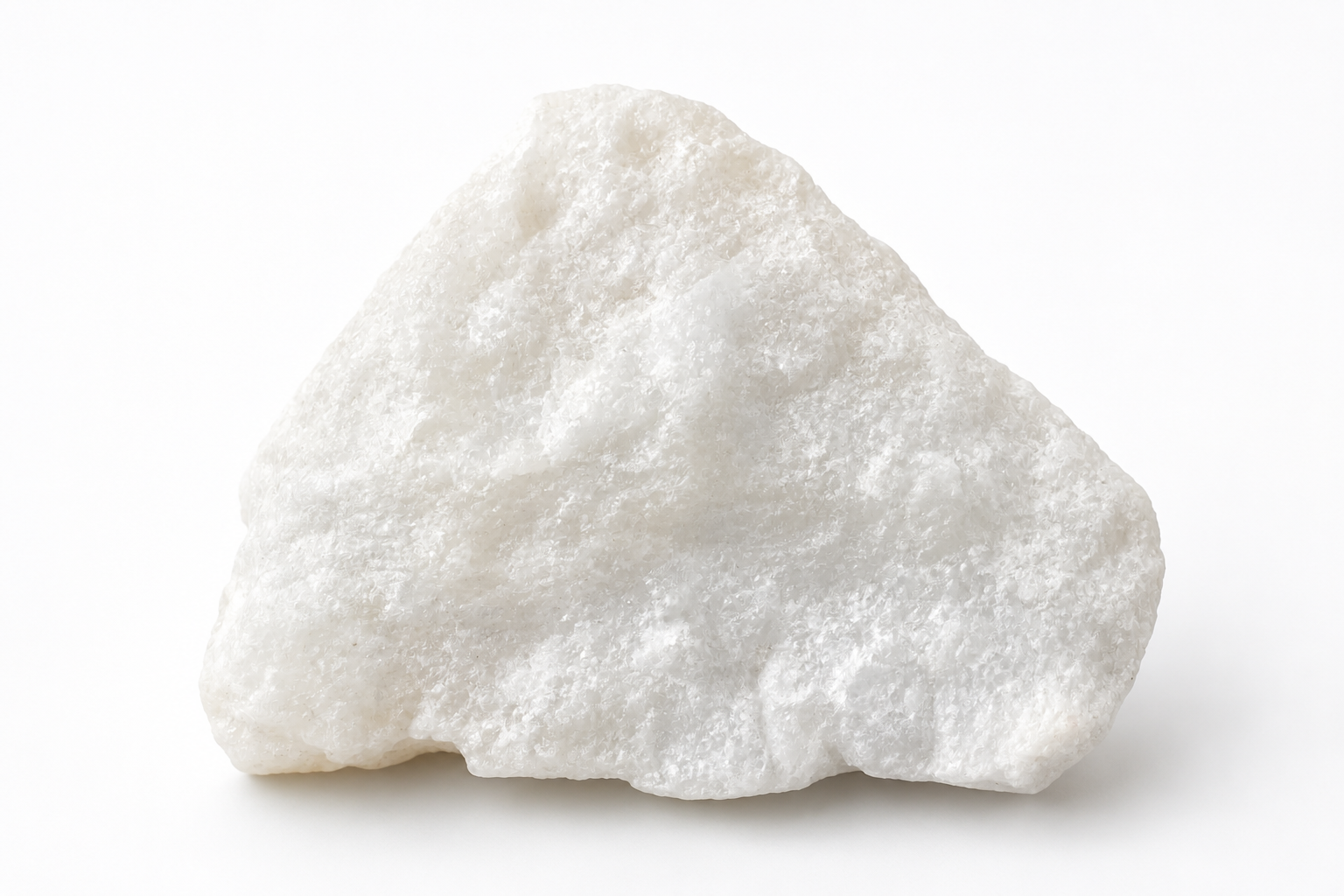
Steatite — soapstone-based technical ceramic

Steatite is a ceramic based on natural raw materials, principally soapstone (Mg(Si₄O₁₀)(OH)₂) — a magnesium silicate — with additions of clay and feldspar or barium carbonate. It is the most cost-efficient technical-ceramic option for many electrical-insulation applications.
Grades comparison

Pick the right grade

Grade Purity Max temp Density Hardness Typical use Find products
Steatite (non-glazed) C-221 type 1000 °C 2.7 Volume electrical insulation, general industrial → Find products
Steatite (glazed) C-221 type 1000 °C 2.8 Improved surface resistance, impervious protective layer → Find products

Click any column header to sort. Each grade links to its filtered product list.

Industries

Where this material is at work

FAQs

Frequent technical questions

Why use steatite instead of alumina?

For sub-1000 °C electrical insulation in volume, steatite is significantly cheaper than alumina with comparable dielectric performance. Where temperatures, mechanical loads or chemical aggression exceed steatite’s window, step up to alumina.

When is glazing worthwhile?

Glazing improves surface resistance, prevents surface tracking and creates an impervious skin — useful in dusty, humid or contaminated environments. For sealed indoor applications, non-glazed is usually adequate.

What temperature can steatite tolerate?

Continuous service to 1000 °C. Above this, dimensional stability and mechanical strength fall sharply; specify alumina or mullite for higher-temperature service.

Need help choosing a grade? Talk to our materials team.

Tell us your operating temperature, the chemistry it'll see and any mechanical loads. We'll specify a grade — or recommend an alternative material — and link you directly to matching products.