Material reference

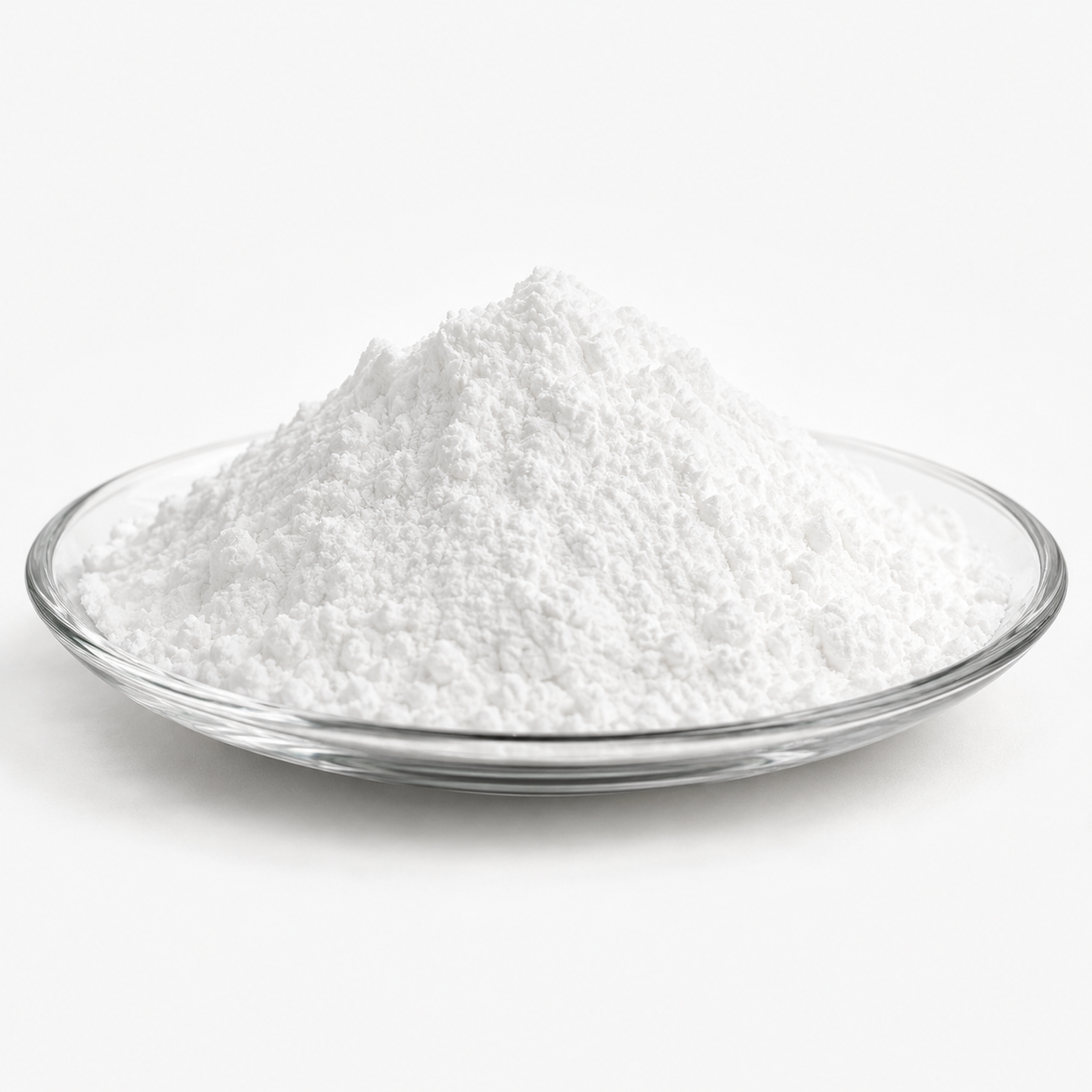
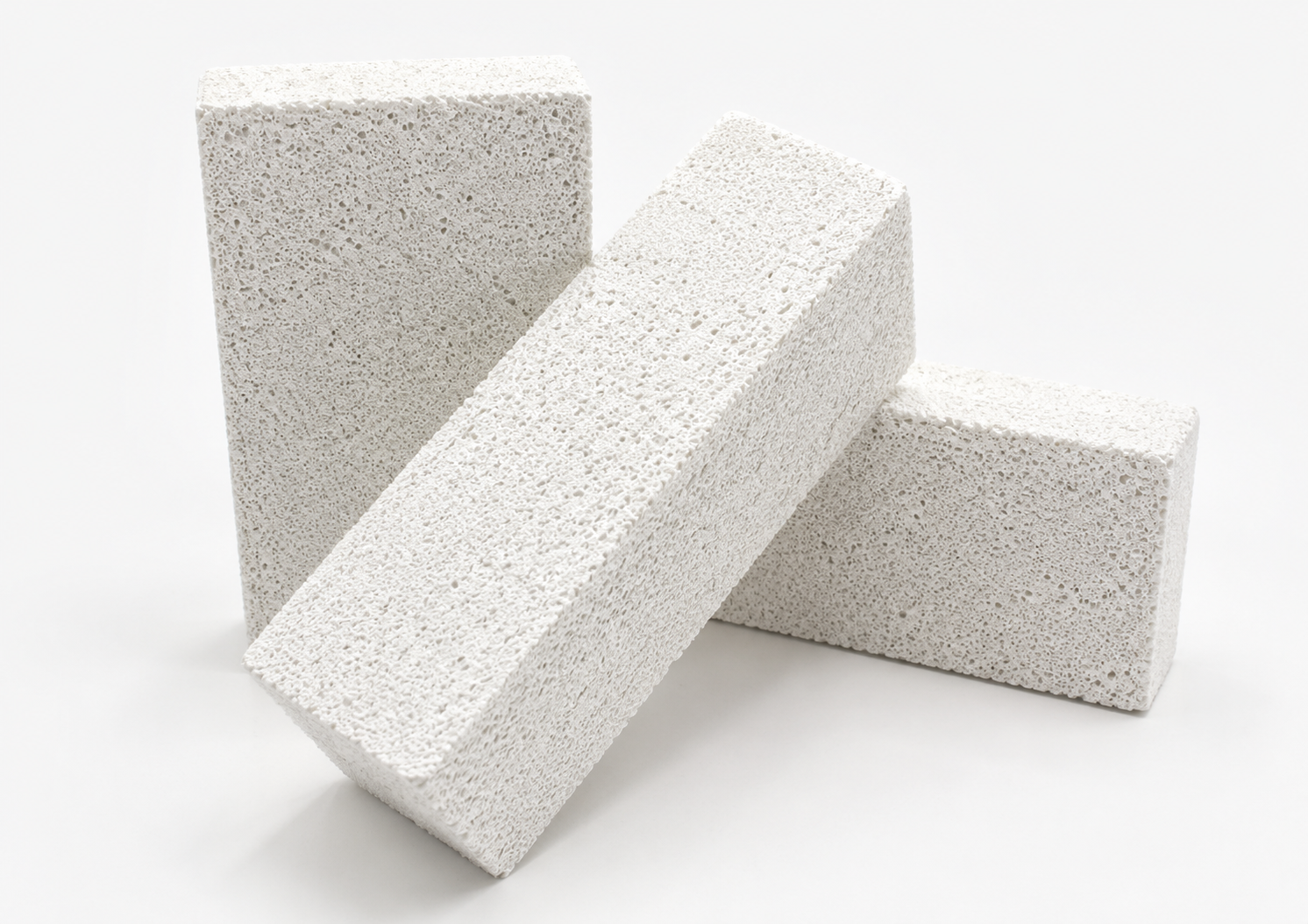
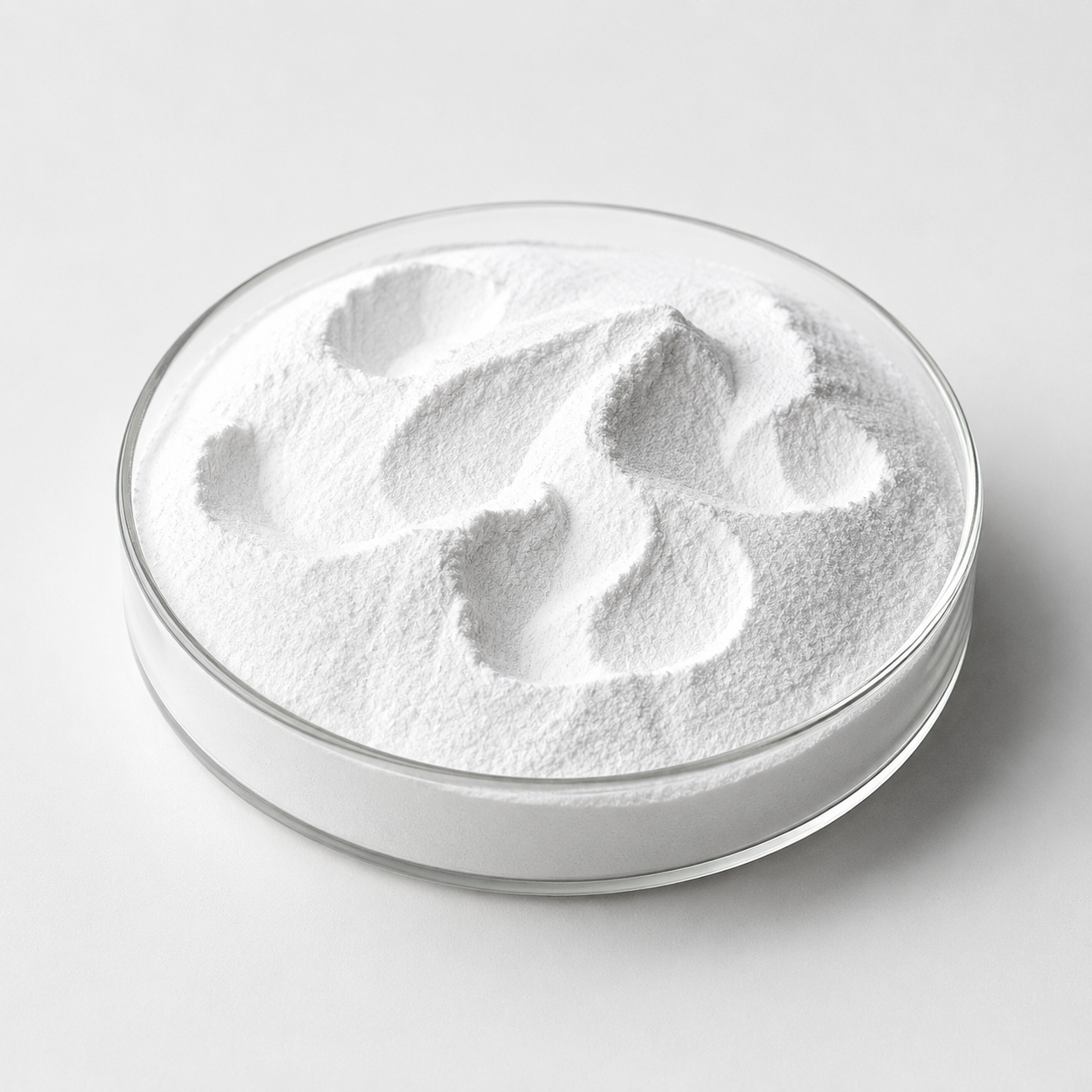
Boron Nitride BN

Self-lubricating, easily machined, non-wetting to molten metals. Hexagonal BN combines excellent electrical insulation with high thermal conductivity — "white graphite".

Used for: molten-metal break rings · plasma arc components · semiconductor fixtures · thermal management · machinable insulators

At a glance

Six critical properties

Max temp 1800 °C (inert)
Density 1.9–2.1 g/cm³
Thermal cond. 30–60 W/m·K (parallel)
Dielectric 30+ kV/mm
Lubricity Self-lubricating vs molten metals
Machinability Conventional tooling no diamond required
About this material

Everything you need to specify this material

Hexagonal BN — "white graphite"

Hexagonal boron nitride (HBN) has a microstructure similar to graphite — layers of platelets that give excellent machinability and low-friction properties. Sometimes called white graphite, HBN combines outstanding electrical insulation with very high thermal conductivity, an unusual combination among ceramics.
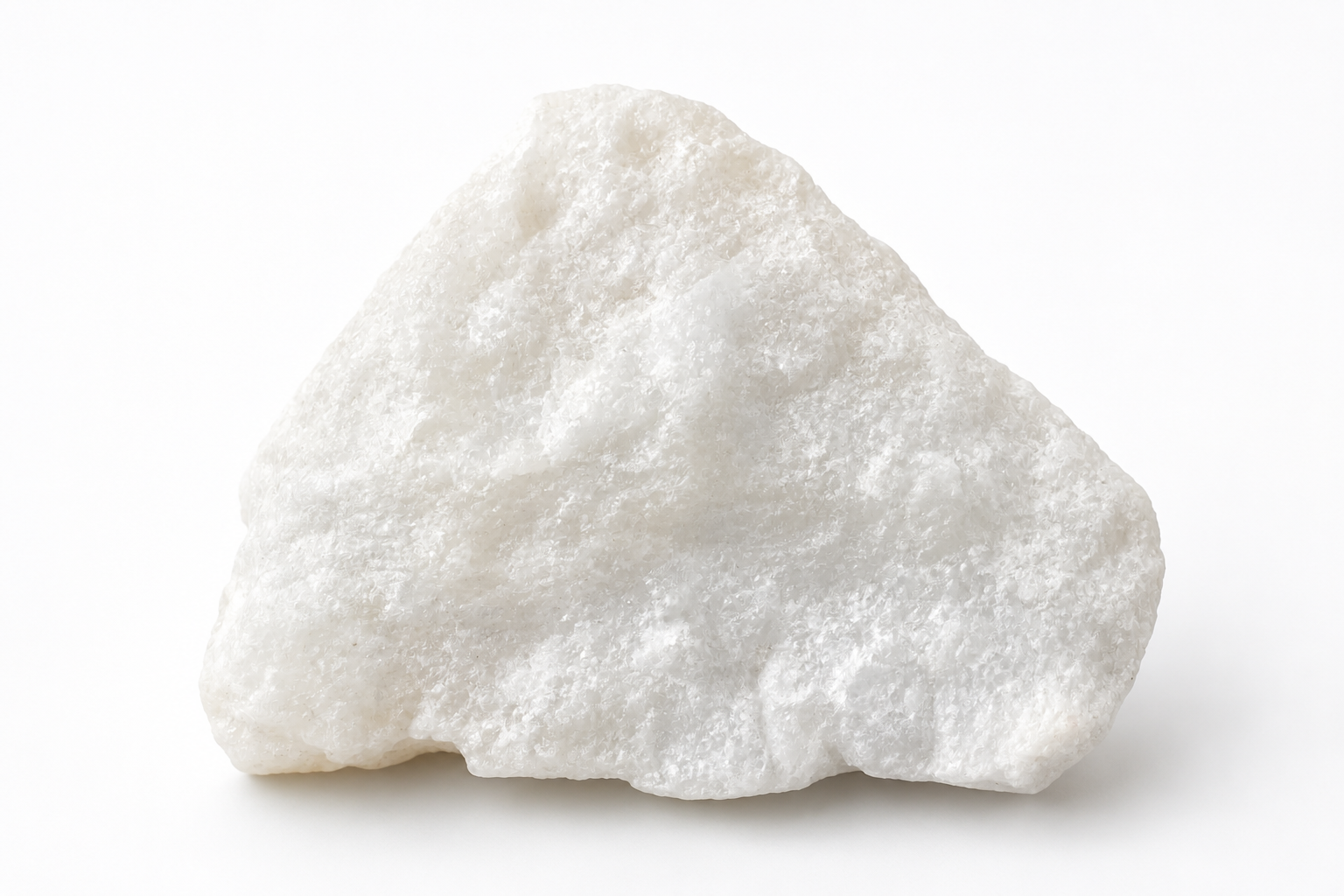
Grades comparison

Pick the right grade

Grade Purity Max temp Density Hardness Typical use Find products
HBN — pure 99%+ BN 2000 °C inert 1.9 Highest purity — semiconductor, crystal growth → Find products
HBN — boric oxide bonded Bonded with B₂O₃ 850 °C oxidising 2.0 General machinable BN — break rings, boats → Find products
HBN — calcium borate bonded Bonded with CaB₂O₄ 1100 °C oxidising 2.0 Higher-temperature oxidising service → Find products

Click any column header to sort. Each grade links to its filtered product list.

Industries

Where this material is at work

FAQs

Frequent technical questions

Why is BN called "white graphite"?

Hexagonal BN shares graphite’s layered crystal structure, giving similar lubricity and machinability — but it’s electrically insulating and white, not conductive and black. Hence the nickname.

Can BN really be machined on standard tooling?

Yes. BN machines with standard high-speed steel or carbide tooling, taking conventional drilled, milled and turned features without diamond. That makes prototype and small-batch parts dramatically cheaper than alumina or zirconia equivalents.

When does the binder matter?

In inert or vacuum service, pure BN runs hottest. In air or oxidising atmospheres, boric-oxide-bonded grades are limited to ~850 °C — switch to calcium-borate-bonded grades for service to ~1100 °C in oxidising conditions.

Need help choosing a grade? Talk to our materials team.

Tell us your operating temperature, the chemistry it'll see and any mechanical loads. We'll specify a grade — or recommend an alternative material — and link you directly to matching products.